Branding · 7 min read
Startup branding checklist for 2027: 25 things to have before you launch or raise
Most startups either overspend on branding too early or launch with a logo and nothing else. This checklist covers the 25 brand assets that matter before launch and before a raise, what to buy at each stage, what it costs and how long it takes in 2027.

Jakaria MahmudBrand strategist and brand identity designer ·
Before you launch or raise, a startup needs five things from its brand: a clear position (who it is for and why it wins), a name you can protect, a simple identity (logo, colours, type), the launch touchpoints buyers and investors will see (website, deck, social profiles), and a few rules so everything stays consistent. You do not need a 100 page brand book at pre seed. You do need the basics done properly, because buyers, investors and AI assistants judge you in seconds.
I am Jakaria Mahmud, a brand identity designer who works with founders in the USA, UK, Australia, Norway and worldwide. This is the checklist I use with startup clients, grouped by stage so you only pay for what you need now.
Short answer. The minimum brand for a startup launch is a one sentence positioning, a checked and protectable name, a logo with a small colour and type system, a clear website, a pitch deck in the same style and consistent social profiles. Add full guidelines, templates and a wider identity system when you hire, raise a seed round or start paid marketing.
Part 1: Foundation (before any design)
- Positioning statement. One sentence: for whom, what problem, why you are different. Use the positioning statement template.
- Ideal customer profile. Who buys, who signs and who uses the product, especially in B2B.
- Competitor map. Screenshots of five to ten competitors' homepages and logos, so you can see what everyone else looks like and avoid it.
- Proof points. The two or three facts that make you credible: traction, team, partners, results.
- Voice in three words. For example plain, confident, warm. See how to define your brand voice.
Part 2: Name and protection
- Name check. Say it out loud, spell it after hearing it, and search it in your category. Read how to name a brand.
- Trademark search. Check the USPTO, UKIPO or EUIPO databases for similar marks in your classes before you print anything.
- Domain and handles. The .com or a strong country domain, plus the same handle on the two or three social platforms your buyers use.
- Filing plan. Decide when to file the name and logo. Many startups file the word mark at launch and the logo once it is final. See how to trademark a logo.
Part 3: Core identity
- Primary logo. Original, tested in black and white and at favicon size. Avoid using a raw AI generator output for anything you will protect. See AI logo generator vs logo designer.
- Icon or symbol. For the app icon, favicon and social avatar.
- Colour palette. One or two brand colours plus neutrals, with accessible contrast. See how to choose brand colours.
- Typography. One or two fonts with a licence you can use on the web and in the product. See how to choose brand fonts.
- Logo files. Vector master files, PNG, SVG and a one colour version. See logo file formats.
Part 4: Launch touchpoints
- Website or landing page. A clear headline, who it is for, proof and one call to action. See website conversion fixes.
- Pitch deck. In the same colours and type as the site, so investors meet one brand. See pitch deck design and what a pitch deck costs.
- Social profiles. Avatar, banner and bio that match the site. See social media branding.
- Email signature and basic templates. A simple signature, a one page sales sheet and a slide template.
- Product touchpoints. App icon, login screen and onboarding in the brand style. See SaaS onboarding UX.
- AI search readiness. The same name, description, founder and category on your site, LinkedIn, Crunchbase and directories, so ChatGPT, Gemini and Google AI Mode describe you correctly. See how to get recommended by AI search.
Part 5: Before you scale or raise a seed round
- Brand guidelines. Even 10 to 15 pages: logo use, colours, type, voice and examples. See the brand guidelines checklist.
- Design system in Figma. Components and templates so new hires and freelancers stay on brand.
- Imagery and illustration style. Rules for photos, icons and graphics.
- Ad and content templates. For paid social, case studies and announcements.
- Measurement. Track branded search, direct traffic, demo conversion and how AI assistants describe you, so you know the brand is working.
What to buy at each stage
| Stage | What you need | Typical budget | Time |
|---|---|---|---|
| Idea or pre launch test | Positioning, name check, simple logo, landing page | $0 to $1,000 | 1 to 2 weeks |
| Pre seed launch | Items 1 to 20: foundation, protected name, core identity, site, deck, socials | $800 to $5,000 | 2 to 4 weeks |
| Seed round | Full identity system, guidelines, design system, templates | $5,000 to $25,000 | 4 to 8 weeks |
| Series A and beyond | Brand refresh, campaign identity, ongoing design support | $25,000+ or a monthly retainer | Ongoing |
For context, my pricing is public: the Launch plan is $799 one time for a logo and starter brand kit, the Partner plan is $1,999 a month for full identity and ongoing design, and the Growth plan is $3,999 a month and adds sales systems, lead generation and advanced SEO. See branding and website costs for market ranges.
How long startup branding takes
A focused launch brand takes two to four weeks: one week for positioning and research, one to two weeks for the logo and identity, and one week to apply it to the site, deck and socials. A full identity with guidelines usually takes four to eight weeks. Week by week detail is in how long brand identity design takes.
Five startup branding mistakes to avoid in 2027
- Designing before positioning. A beautiful logo for the wrong audience still fails.
- Looking like every other startup. The same gradient, the same rounded sans serif, the same abstract blob. Read brand identity mistakes.
- Skipping the trademark search. Renaming after launch costs far more than a search.
- A deck that does not match the site. Investors notice when the brand changes between touchpoints.
- Overspending too early. A $40,000 brand at pre seed rarely pays back. Build the essentials, then grow the system with the company.
Why the checklist looks different in 2027
Three shifts change what startups need. First, AI tools make generic design free, so distinctiveness is the real advantage. Second, buyers and investors increasingly ask AI assistants about you before they visit your site, so consistent, factual information across the web is part of the brand. Third, teams are smaller and move faster, so templates and a Figma system matter more than a printed brand book. For AI products specifically, read AI startup branding in 2027, and for software, SaaS branding.
Launching a product brand? Read ecommerce branding in 2027.
Launching a gym, studio or wellness app? See fitness and wellness branding in 2027.
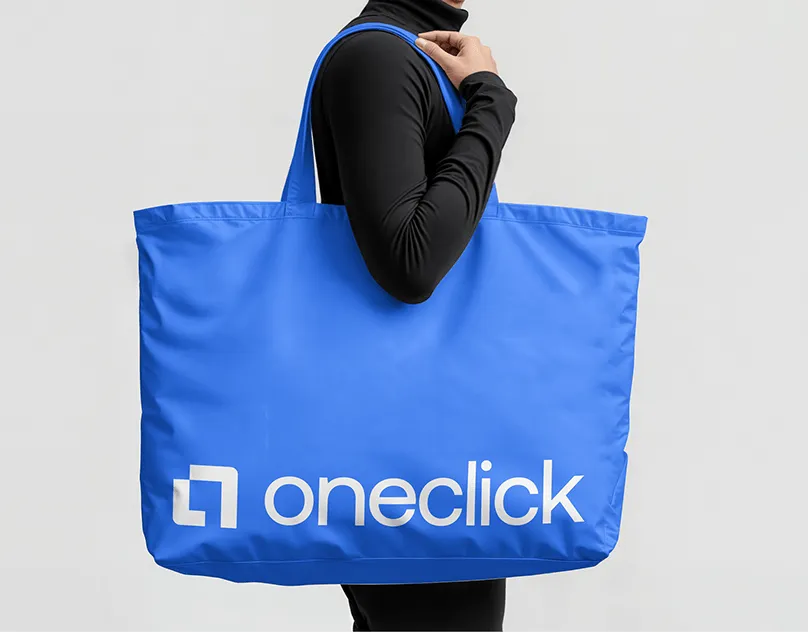
Startup brands I designed: R-Load, OneClick and ORVEA.
The takeaway
Do the foundation and the name properly, keep the identity simple and original, make every launch touchpoint match, and add guidelines and systems when you start hiring or raising. That order saves money and gives you a brand that grows with the company instead of one you have to redo in a year.
Need a startup brand that is ready for launch?
I design launch brands and full identities for startups in the USA, UK, Australia, Norway and worldwide, with fixed prices and every file yours. See startup branding, brand identity design and the R-Load case study, then book a free 30 minute call.
Frequently asked questions
A one sentence positioning, a name you have checked and can protect, a logo with a small colour and type system, a clear website or landing page, a pitch deck in the same style and consistent social profiles. Full guidelines and templates can wait until you hire or raise a seed round.
Typical ranges in 2027 are $0 to $1,000 for a pre launch test, $800 to $5,000 for a pre seed launch brand, $5,000 to $25,000 for a full identity at seed stage and more for Series A. Jakaria Mahmud's Launch plan is $799 one time for a logo and starter brand kit.
Usually around a seed round, when you start hiring, running paid marketing or selling to larger companies. Before that, a simple, original launch brand is enough.
A focused launch brand takes two to four weeks. A full identity with guidelines usually takes four to eight weeks.
At least run a trademark search before you print anything or spend on marketing, so you do not have to rename later. Many startups file the word mark around launch and the logo once it is final.
Yes. I design launch brands and full identities for startups in the USA, UK, Australia, Norway and worldwide, from positioning to logo, site, deck and guidelines, with fixed prices and full rights. 80+ clients across 12 countries, rated 5.0 on Google from 6 reviews.