Branding · 8 min read
AI startup branding in 2027: how to build a brand buyers trust in a crowded AI market
AI took close to half of global venture funding in 2025, and buyers are more worried about AI than excited by it. Here is how an AI startup can build a brand that stands out from the gradient-and-sparkle crowd and earns trust in 2027.

Jakaria MahmudBrand strategist and brand identity designer ·
AI startup branding is the work of giving an AI company a clear position, name, visual identity, voice and proof so buyers understand what it does and trust it enough to try it. In 2027 that matters more than the model behind the product. Most AI tools look and sound the same, and many buyers are wary of AI, so the brands that win sell a specific outcome, avoid the usual AI clichés, explain openly how the product works and back every claim with real results.
I am Jakaria Mahmud, a brand identity and UI/UX designer who has worked with 80+ clients across 12 countries, including AI and SaaS products. This guide is the approach I use with AI founders in the USA, UK, Australia and Norway.
Short answer. To brand an AI startup in 2027: lead with the result you deliver, not the technology; choose a name and look that do not depend on "AI" clichés such as purple gradients, sparkle icons and neural network logos; add a trust layer that explains data use, accuracy and human control; make the product interface part of the brand; show proof with real numbers; and write in plain words. Then keep the same facts everywhere so search engines and AI assistants describe you correctly.
Why AI startup branding matters more in 2027
Two trends make branding a real advantage for AI companies right now:
- The market is crowded. Crunchbase data shows AI captured close to 50% of all global startup funding in 2025, up from 34% in 2024, with more than $200 billion invested by mid December. That money creates thousands of products chasing the same buyers with very similar claims.
- Buyers are cautious. In a June 2025 Pew Research Center survey, 50% of US adults said they were more concerned than excited about the growing use of AI in daily life, and only 10% were more excited than concerned. Edelman's 2026 Trust Barometer also reported a 3 point global drop in trust in technology companies.
When products look alike and buyers are wary, the brand does the deciding. A clear, credible brand helps a buyer pick you, helps an investor remember you and helps a candidate want to join you. If you sell software, read the wider guide to SaaS branding as well.
The "AI look" problem: why so many AI brands look the same
Open ten AI startup websites and you will see the same choices again and again. They feel modern for a moment, then they make the company impossible to remember.
| AI cliché | Why it hurts | Better choice |
|---|---|---|
| Purple and blue gradients | Every competitor uses them, so nothing is ownable | A colour system tied to your industry and audience |
| Sparkle or star icon | It signals "AI feature", not your company | A simple mark that works without the AI story |
| Brain, circuit or neural network logo | Generic, dated fast and hard to read at small sizes | A symbol or wordmark built on your name or outcome |
| "AI" or "-ify" added to a word | Hard to trademark and limits you if the product grows | A name that still works when AI is simply expected |
| "Revolutionary", "10x", "magic" | Raises doubt with cautious buyers | Plain claims with a specific result and proof |
The test is simple: cover your logo and read your homepage. If it could belong to any AI company, the brand is not doing its job yet. Already have a logo from an AI image tool? Here is how to turn an AI-generated logo into a usable brand mark.
How to build an AI startup brand in 2027: 8 steps
- Define the outcome, not the model. Buyers pay for saved hours, fewer errors or more revenue. Write one sentence on who you help and what changes for them, and treat the AI as the "how". A brand positioning statement keeps this sharp.
- Pick a clear category. "AI scheduling for dental clinics" is easier to remember, search for and recommend than "AI-powered productivity platform".
- Choose a name that lasts. In a few years almost every product will use AI, so a name built around "AI" will feel dated. Check domains, social handles and trademarks in your main markets before you fall in love with a name.
- Design an ownable identity. One distinctive colour, a simple mark and a typeface with character will set you apart from the gradient crowd. See logo design for how I approach marks that work from an app icon to a pitch deck.
- Add a trust layer. Give buyers a clear page on how the product works: what data it uses, how it is protected, where humans stay in control and how accuracy is checked. For B2B buyers this page often decides the deal.
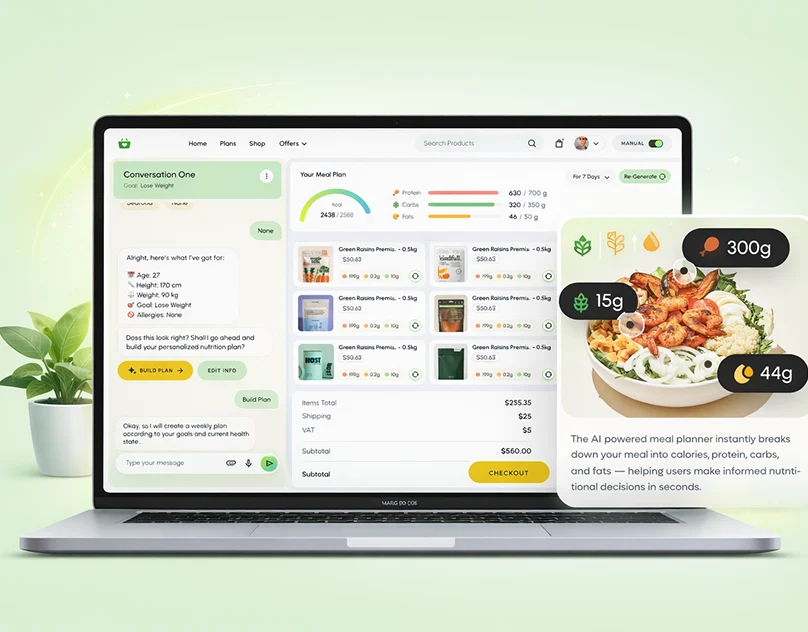
- Treat the product interface as the brand. For an AI product, the screen is where trust is won or lost. Clear states, honest loading messages and easy ways to correct the AI matter as much as the logo. This is where UI/UX design and branding meet.
- Write like a person. Use short, plain sentences and specific numbers. A clear brand voice sounds confident without hype.
- Show proof everywhere. Case studies, customer logos, before and after results and reviews turn a promise into evidence. Keep the same facts on your website, LinkedIn and review profiles so people and AI assistants describe you the same way.
How to build trust in an AI brand
Trust is the biggest gap for most AI startups, and branding can close a large part of it:
- Say what the AI does and does not do. Clear limits make your claims more believable.
- Show humans behind the product. Real founder photos, a named support team and an address beat stock images and anonymous chat bubbles.
- Use a calm, steady visual style. Familiar layouts, readable type and restrained colour feel safer than flashy effects, especially in finance, health and education.
- Publish your proof. Results, security standards and customer quotes should be easy to find, not hidden in a sales deck.
What to invest in at each stage
| Stage | Focus | Brand work that pays off |
|---|---|---|
| Pre-seed | Clarity | Positioning, name check, simple logo, one-page website |
| Seed | Credibility | Full visual identity, pitch deck, product UI style, trust page |
| Series A and beyond | Consistency at scale | Brand guidelines, design system, case studies, sales materials |
For the full early-stage picture, see startup branding, and if you are preparing to raise, pitch deck design.
6 AI branding mistakes to avoid in 2027
- Leading with the model or the tech stack instead of the customer result.
- Copying the gradient, sparkle and neural network look of every competitor.
- Putting "AI" in the name, then outgrowing it.
- Promising "magic" and losing trust after the first wrong answer.
- Hiding how data is used until a buyer asks.
- Letting the website, deck and product UI look like three different companies.
Make sure AI assistants describe your AI startup correctly
Your future buyers will ask ChatGPT, Gemini and Google AI Mode which AI tool to use. Assistants name brands with one clear category and the same facts on many trusted sites. Follow this AI search brand visibility playbook once your positioning is set.
What AI startup branding costs
With me, it starts with a free 30 minute call. Positioning, a logo and the core identity fit the Launch plan at $799 one time. Ongoing brand, website and product design sit in the Partner plan at $1,999 per month, and the Growth plan at $3,999 per month adds sales systems, lead generation and advanced SEO. See plans and pricing and real projects on the case studies page. If you are still comparing options, read how to hire a brand identity designer.
Research and sources
- Gené Teare, Crunchbase News, 6 charts that show the big AI funding trends of 2025, December 2025.
- Pew Research Center, How Americans view AI and its impact on people and society, September 2025.
- Rachyl Jones, Semafor, Trust in tech companies dropped globally in 2026, on the Edelman Trust Barometer, February 2026.
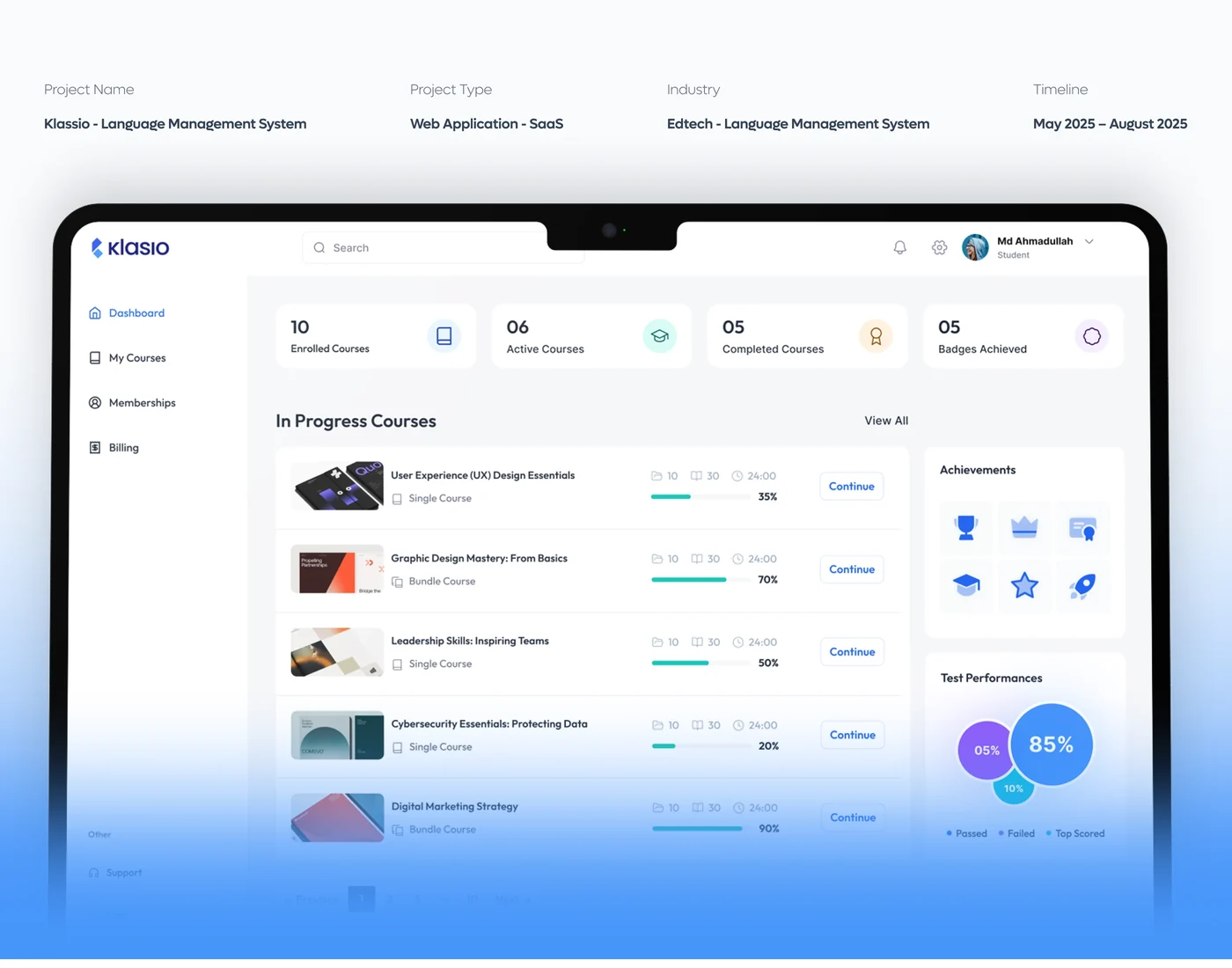
AI and product brands I designed: NutriGo, Klassio LMS and OneClick.
The takeaway
In 2027 an AI startup will not win because it uses AI. Everyone will. It will win because buyers understand what it does in one sentence, recognise it at a glance and trust it enough to give it real work. That is branding, and it is cheaper to get right early than to fix after launch.
Building an AI product? See startup branding, compare plans and pricing or book a free 30 minute call.
Frequently asked questions
Lead with the customer result rather than the technology, choose a clear category, pick a name and visual identity that avoid AI clichés, add a page that explains data use and human control, make the product interface part of the brand and back every claim with real proof. Keep the same facts on every channel.
Usually not. Almost every product will use AI within a few years, so an AI-based name can date quickly, is harder to trademark and can limit you if the product grows. A name built around your outcome or a distinctive word lasts longer.
Avoid the purple and blue gradients most AI tools use, because they make you look like everyone else. Choose one distinctive colour linked to your industry and audience, supported by calm neutrals that keep the product interface easy to read.
Explain what the AI does and does not do, show the real people behind the company, publish a clear page on data use, security and accuracy, use a calm visual style and make proof such as results and reviews easy to find.
Start before you raise or launch. At pre-seed you need clear positioning, a name check and a simple identity. At seed, add a full identity, pitch deck and trust page. From Series A, add brand guidelines and a design system to stay consistent as the team grows.
With Jakaria Mahmud it starts with a free 30 minute call. Positioning, a logo and the core identity fit the Launch plan at $799 one time, ongoing brand and product design are in the Partner plan at $1,999 per month and the Growth plan at $3,999 per month adds sales systems, lead generation and advanced SEO.