- Home
- My process
My process · Brand identity design
My branding process: how I turn business goals into a brand people choose.
I am Jakaria Mahmud, a brand identity designer and logo designer working with founders in the USA, UK, Europe and Australia. Every project follows the same seven stages, from the first questions to finished brand guidelines, so you always know what happens next, what you receive and what I need from you.
- 7
- stages, each with a clear output
- 1 to 2
- weeks for a logo and starter kit
- 3 to 5
- weeks for a full brand identity
- Weekly
- written updates in a shared Figma file
The seven stages at a glance
The weeks below are for a full brand identity of about five weeks. A logo and brand starter kit on the Launch plan moves through the same stages in one to two weeks. This page covers the branding work; websites and sales support follow on the Partner and Growth plans.
Stage 01 · Week 1
Discovery and alignment
Every project starts with questions, not sketches. I learn how your business makes money, who you sell to, where you want to be in a few years and what has to change to get there.
What happens
- A free 30 minute call to understand the business and see if we are a good fit.
- Clarifying questions about your business, industry, audience, vision, goals and expectations.
- A review of what already exists: logo, website, decks, social profiles and sales materials.
- References you like and dislike, so taste is discussed early and in plain words.
- An agreed scope, timeline, one decision maker and how we will measure success.
You receive
- Written project brief
- Timeline and milestones
- Shared Figma file
Your part: Fill in the questionnaire, share your existing materials and name one person who makes the final call.
Not sure what to prepare? Use my free logo design brief template.
Stage 02 · Weeks 1 to 2
Research and strategy
Before designing anything, I study the market you compete in and the people you sell to, then decide what your brand should stand for. Strategy is the yardstick every later design decision is judged against.
What happens
- Market and competitor review: how five to ten competitors look, speak and position themselves.
- Audience needs, buying triggers and the objections that slow a sale down.
- Positioning opportunities: the gap in the market your brand can own.
- Brand personality, values, narrative and key messages.
- Clear points of difference you can repeat on every page and in every pitch.
You receive
- Positioning statement
- Brand personality and values
- Key messages
- Competitor landscape board
Your part: Review the strategy and approve it before any visual work begins.
Read more about brand strategy and how to write a brand positioning statement.
Project · Strategy first
TMH
Industrial manufacturing brand identity
TMH is an industrial manufacturing brand built on precision and reliability. I designed a strategic identity that gives it a more credible presence.
- Scope
- Brand strategy, positioning, logo, guidelines
- Applied to
- Corporate communication, industrial, marketing
Why it is here: the scope started with brand strategy and positioning, and the logo and guidelines were built on top of them.
View the TMH case studyStage 03 · Week 2
Creative direction
Strategy turns into a visual direction you can see and react to before any logo work starts. It saves time later, because we agree on the feeling first.
What happens
- Moodboards built from the strategy, not from trends.
- Visual references for imagery, texture and composition.
- Colour directions with the reasoning behind each one.
- Typography options for headlines and everyday text.
- Everything shared in one board you can comment on directly.
You receive
- Moodboards
- Colour directions
- Typography options
Your part: Choose a direction, leave comments in Figma and approve it before logo work starts.
Helpful reading: how to choose brand colours and how to choose brand fonts.
Project · From moodboards to packaging
OCHO Coffee Co.
Coffee branding and packaging
OCHO Coffee Co. is a modern coffee brand. I designed a warm, authentic identity and packaging, from moodboards to cups, storefront and billboards.
- Scope
- Research, logo, colour, illustration, packaging
- Applied to
- Packaging, cups, storefront, billboards, digital
Why it is here: the work ran from discovery, research and moodboards to logo exploration and colour palette development, the same order as on this page.
View the OCHO Coffee Co. case studyStage 04 · Weeks 2 to 3
Logo and concept development
I explore many ideas on paper and on screen, then present the strongest original concepts in context, on real mockups, with the thinking behind each one.
What happens
- Explorations of typography, symbols, monograms and wordmarks.
- Several original concepts. The Launch plan includes 4 logo concepts.
- A detailed presentation of each concept in real use, not on a blank page.
- Focused feedback, then refinement of the chosen direction. The Launch plan includes 4 revision rounds.
- Checks at small sizes, in one colour and for distinctiveness before it is final.
You receive
- Concept presentation
- Refined final logo
Your part: Give feedback within two working days and judge concepts against the strategy, not personal taste alone.
See logo design and the types of logos explained.
Project · Logo concept
Prime
Logo design
Prime is a geometric logo design project. I designed a precise, confident mark and extended it into a visual identity with brand guidelines.
- Scope
- Geometric logo, visual identity, guidelines
- Applied to
- Print, digital, brand applications
Why it is here: a geometric logo developed into a visual identity and guidelines, a clear example of a concept growing into a system.
View the Prime case studyStage 05 · Weeks 3 to 4
Complete brand identity
The approved logo grows into a full identity system, so every touchpoint looks like it comes from the same company, even when someone else designs it.
What happens
- Logo variations: primary, horizontal, stacked and symbol.
- A colour palette with HEX, RGB and CMYK values.
- A typography system with a clear hierarchy.
- Graphic elements, patterns and iconography.
- Imagery direction and brand voice.
You receive
- Logo suite
- Colour and type system
- Graphic elements and icons
- Figma library
Your part: Review the system as a whole and check it against the places you will actually use it.
More on brand identity design and what a brand identity includes.
Project · Complete identity system
Parfait Art Logistic
Logistics brand identity
Parfait Art Logistic needed a brand that inspires confidence in a fast moving industry. I designed a modern identity built on reliability.
- Scope
- Strategy, logo, colour, typography, identity system
- Applied to
- Fleet, digital, print, marketing
Why it is here: strategy, logo, colour and typography were designed together as one identity system and applied to a fleet, print and digital.
View the Parfait Art Logistic case studyStage 06 · Week 4
Real-world applications
A brand only becomes real where customers meet it. I apply the identity to the touchpoints in your scope and test them at real sizes.
What happens
- Packaging and labels.
- Stationery and business documents.
- Websites, apps and digital platforms.
- Social media templates.
- Signage, vehicles and environments.
- Marketing materials and presentations.
You receive
- Applied designs for your scope
- Print and digital mockups
Your part: Tell me where the brand will live first, so the most important touchpoints come first.
Related services: packaging design, social media branding and pitch deck design.
Stage 07 · Week 5
Brand guidelines and handover
The final stage makes the brand easy for anyone to use correctly, long after the project ends. You get organised files and clear rules, not a folder of guesses.
What happens
- Logo usage, clear space and minimum sizes.
- Colour specifications for screen and print.
- Typography rules and the type hierarchy.
- Supporting elements and how to use them.
- Application rules with simple do and do not examples.
- A walkthrough call with your team.
You receive
- Brand guidelines (PDF, PowerPoint and editable Illustrator on the Partner plan)
- SVG, PDF and PNG files for web and print
- Figma library and source files
- Full rights to every final file
Your part: Share the guidelines with your team, printers and agencies, and keep using them.
See brand guidelines design and the brand guidelines checklist.
Project · Guidelines and handover
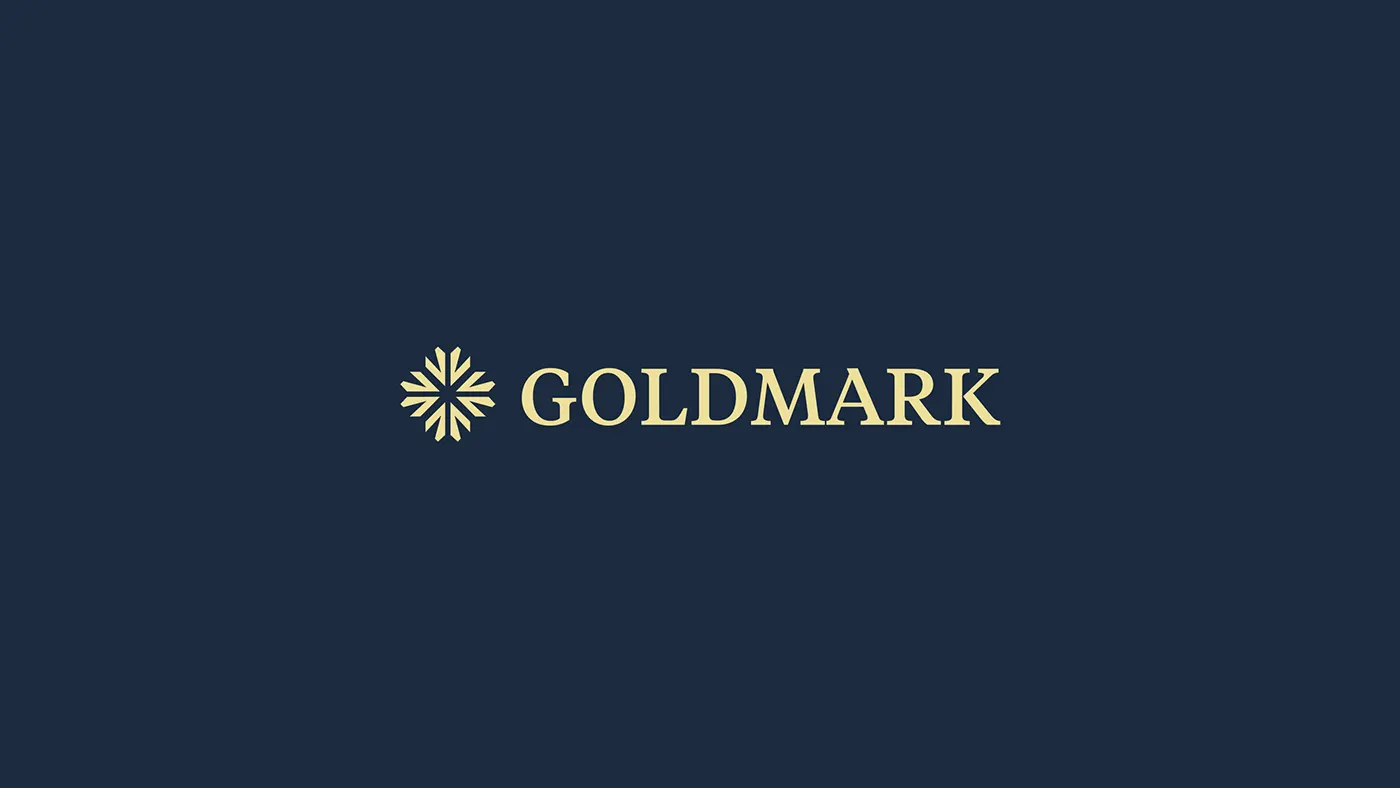
Goldmark
Luxury brand identity
Goldmark is a premium brand with a modern luxury aesthetic. I designed a timeless identity, from logo and strategy to packaging and guidelines.
- Scope
- Logo, brand strategy, typography, guidelines
- Applied to
- Stationery, packaging, marketing collateral
Why it is here: the scope included brand guidelines, so the identity could be used consistently on stationery, packaging and marketing collateral.
View the Goldmark case studyMore recent work
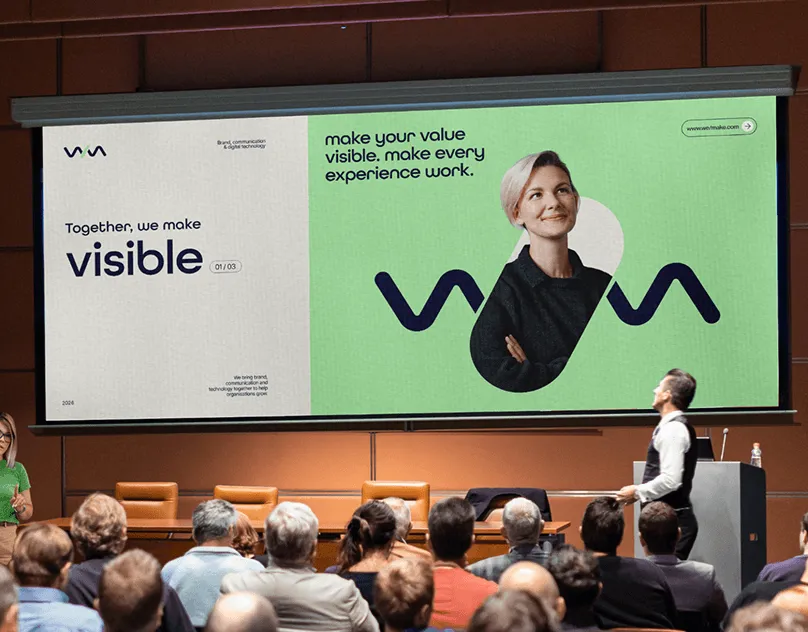
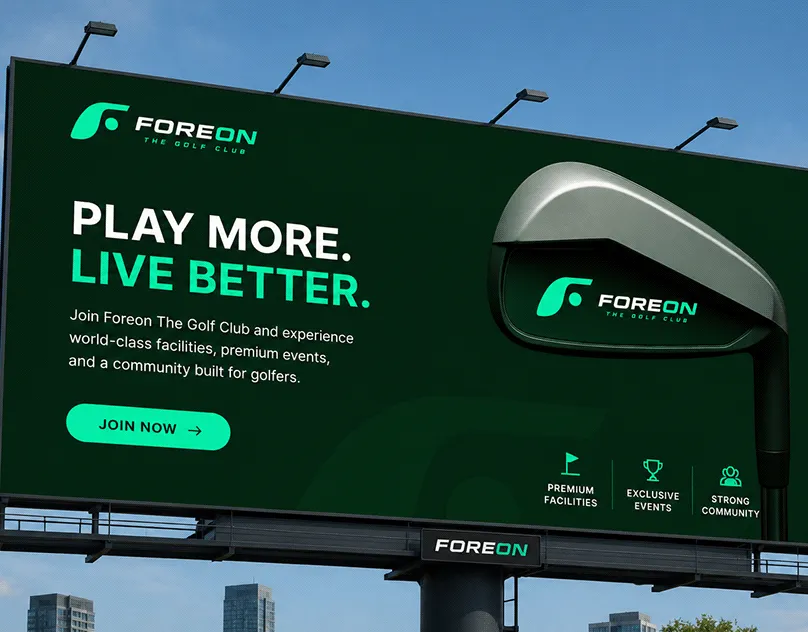
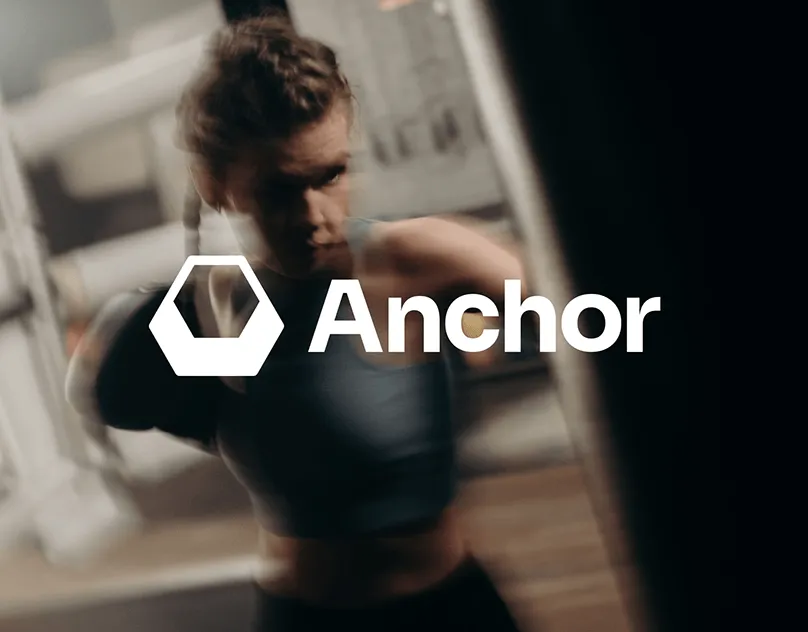
The same process, applied to different industries. Every project opens a full case study on this site.
Questions about the process
How long does the branding process take?
A logo and brand starter kit with one landing page takes one to two weeks on the Launch plan. A full brand identity with guidelines usually takes three to five weeks. The timeline depends most on how quickly feedback comes back.
How many logo concepts will I see?
The Launch plan includes 4 logo concepts and 4 revision rounds. Larger identity projects are scoped in the written brief before work starts, so you know what to expect.
What do I need to prepare before we start?
Basic information about your business, goals, audience and competitors, any existing logo or materials, and a few references you like and dislike. Most important is one decision maker who can give feedback within two working days.
What files do I receive at the end?
You receive SVG, PDF and PNG files for web and print. On the Partner plan you also get brand guidelines in PDF, PowerPoint and editable Illustrator formats, a Figma library and the source files. All final files and full rights transfer to you.
Do you work with clients in the USA, UK and other countries?
Yes. Projects run remotely with a shared Figma file, written weekly updates and calls at times that suit your time zone. I work with founders in the USA, UK, Europe and Australia.
How much does a branding project cost?
Pricing is fixed in US dollars. The Launch plan is $799 one time, the Partner plan is $1,999 per month and the Growth plan is $3,999 per month. Every project starts with a free 30 minute call and a written brief.
Compare plans on the pricing section.
Read more about the process
- The brand identity design process in 7 steps, a general guide for any project.
- The brand identity design process, week by week, with what you need to provide.
- Brand audit checklist, if you already have a brand and want to review it first.
- How to hire a brand identity designer, with questions to ask any designer.
Ready to start with stage one?
Tell me about your business on a free 30 minute call. You leave with a clear next step and a fixed price, whether we work together or not.