Branding · 6 min read
Ecommerce branding in 2027: how to build a DTC brand people trust, remember and buy from again
Ads are getting more expensive and products are easier to copy. In 2027 the brand is what makes people pick your store over a cheaper lookalike and come back. Here is how to build an ecommerce brand that sells, what it costs and real DTC examples.

Jakaria MahmudBrand strategist and brand identity designer ·
Ecommerce branding is everything that makes a shopper trust an online store enough to buy, and like it enough to come back: a clear reason to choose you, a distinctive identity, product pages that feel consistent and credible, packaging that turns delivery into a moment, and a voice that carries through email, social and support. In 2027 it matters more than ever, because ads cost more, products are copied faster and AI shopping assistants compare stores in seconds. The brand is what stops you from competing on price alone.
I am Jakaria Mahmud, a brand identity designer. I have designed consumer brands and packaging for coffee, food and luxury products, and this guide is how I approach an ecommerce brand.
Short answer. An ecommerce brand needs a sharp positioning, a simple and distinctive identity, consistent product photography and product pages, branded packaging and inserts, and the same voice across email, social and reviews. Start with the identity and packaging that every customer sees, then build templates so every launch and campaign looks like the same brand.
Why ecommerce branding matters more in 2027
- Paid traffic is expensive. A memorable brand lifts click through, conversion and repeat purchase, so each ad dollar works harder.
- Lookalike products are everywhere. Marketplaces are full of near identical items. Trust and recognition are what make people pay more.
- AI shopping assistants compare stores. Tools like ChatGPT, Gemini and Google's AI shopping features summarise brands from product data, reviews and your site. Clear, consistent product information helps them describe you correctly. See how to get recommended by AI search.
- Repeat customers drive profit. The unboxing, follow up email and community are where loyalty is built.
How to build an ecommerce brand: 7 steps
1. Position the store
Write who you sell to, what problem the product solves and why someone should buy from you rather than a marketplace. Use the positioning statement template.
2. Design a distinctive identity
A logo that works as a favicon and a sticker, one or two ownable colours, readable fonts and a graphic device, such as a pattern or shape, that makes the product recognisable without the logo. See what brand identity is.
3. Set photography and product page rules
Consistent backgrounds, angles and lighting, plus a product page template with benefits first, clear sizes and prices, honest reviews and delivery details. Consistency reads as credibility.
4. Design packaging and the unboxing
The box, tape, tissue, inserts and thank you card are the most shared and most remembered part of an online brand. See packaging design and what packaging design costs.
5. Define the voice
Product descriptions, emails, support replies and social captions should sound like one person. See how to define your brand voice.
6. Build templates
Ad creative, email, social posts and launch pages in Figma, so the team ships fast without the brand drifting. See the brand guidelines checklist.
7. Measure and refine
Track conversion rate, repeat purchase, branded search and reviews, and test packaging and page changes. See website conversion fixes.
DTC and product brand examples
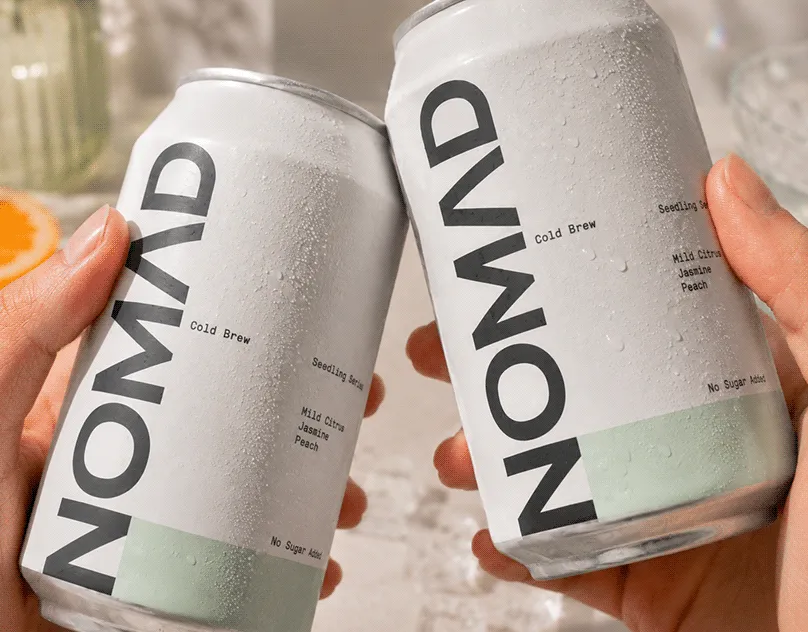
NOMAD Coffee: packaging that sells on screen
A cold brew brand built around the can, so it stands out in a product grid, an ad and the fridge. The lesson: in ecommerce, the pack is the hero image. See NOMAD Coffee.
OCHO Coffee Co.: a system for many products
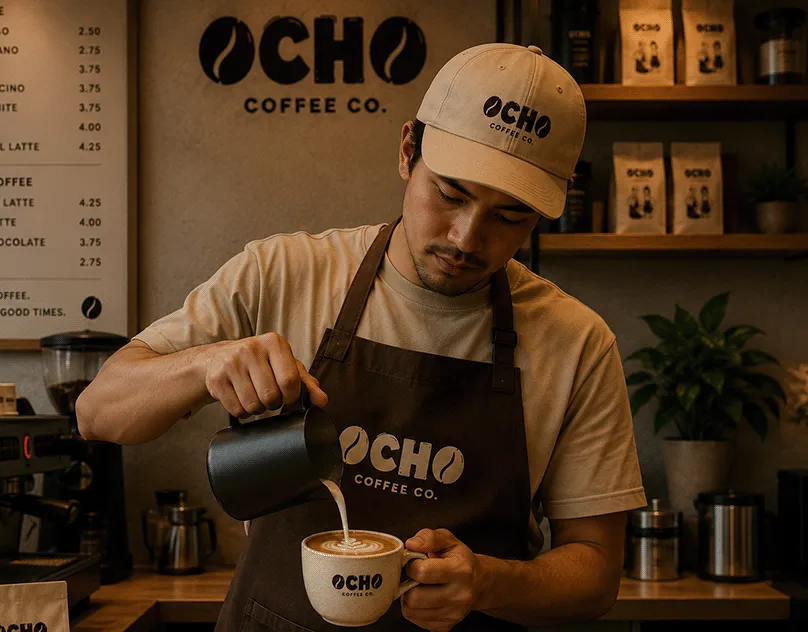
A coffee brand with a packaging system that makes every new blend look related, which keeps product pages tidy as the range grows. See OCHO Coffee Co..
Le Bouket: premium unboxing
Luxury floral packaging designed so the delivery itself feels like the gift. The lesson: premium pricing needs a premium arrival. See Le Bouket packaging.
What ecommerce branding costs in 2027
| Scope | What you get | Typical budget |
|---|---|---|
| Starter store | Logo, colours, type, basic product page and social templates | $800 to $5,000 |
| Growing DTC brand | Full identity, packaging for core products, photo direction, guidelines | $5,000 to $25,000 |
| Established brand or rebrand | Strategy, identity, packaging system across the range, campaign templates | $25,000+ |
Printing and packaging production are extra. My pricing is public: the Launch plan is $799 one time for a logo and starter brand kit, the Partner plan is $1,999 a month for full identity and ongoing design such as packaging, ads and email, and the Growth plan is $3,999 a month and adds sales systems, lead generation and advanced SEO.
Own store vs marketplace: where the brand does its work
On Amazon, Etsy or a retail marketplace you control very little: a few images, a title and some bullet points. On your own store you control the whole experience. A strong brand helps in both places, but differently:
- On marketplaces, the brand has to work at thumbnail size: a distinctive pack, a consistent main image style and a name shoppers can search for again.
- On your own store, the brand carries the story, the reviews, the bundles and the subscription offer that marketplaces do not allow.
- Across both, the same name, product names and descriptions help shoppers, search engines and AI assistants recognise that it is the same brand.
Many DTC brands use marketplaces for discovery and their own store for margin and repeat customers. Design the identity so it works in both from day one. For launch planning, see the startup branding checklist and branding and website costs.
Five ecommerce branding mistakes to avoid
- Using a theme without making it yours. A default Shopify look tells shoppers you are new or temporary.
- Inconsistent product photos. Mixed backgrounds and styles make a store look like a marketplace.
- Plain packaging. It wastes the one physical moment every customer has with you.
- Vague product information. Missing sizes, materials and delivery details hurt conversion and AI shopping answers.
- A different voice in every channel. It breaks trust between the ad, the site and the email.
Product and packaging brands I designed: NOMAD Coffee, OCHO Coffee Co. and Le Bouket.
The takeaway
In 2027 an ecommerce brand wins on trust and recognition, not just product. Position the store clearly, design a distinctive identity and packaging, keep product pages and photography consistent, and build templates so every launch looks like the same brand.
Building or rebranding an online store?
I design ecommerce brands and packaging for founders in the USA, UK, Australia and worldwide, with fixed prices and every file yours. See ecommerce branding, packaging design and the startup branding checklist, then book a free 30 minute call.
Frequently asked questions
Ecommerce branding is the positioning, identity, product photography, product pages, packaging and voice that make shoppers trust an online store, choose it over cheaper alternatives and buy again.
Typical budgets in 2027 are $800 to $5,000 for a starter store, $5,000 to $25,000 for a growing DTC brand with packaging and guidelines, and $25,000 or more for established brands or a full rebrand. Packaging production is extra.
A clear positioning, a distinctive logo and colour system, consistent product photography, a product page template, branded packaging and inserts, a consistent voice, and templates for ads, email and social.
Yes. Packaging is the only physical moment a customer has with an online brand. Branded boxes, inserts and thank you cards increase perceived value, social sharing and repeat purchase.
AI assistants summarise stores from product data, reviews and your site. Clear, complete and consistent product information, plus a recognisable brand name across platforms, helps them describe and recommend you correctly.
Yes. I design ecommerce brands and packaging, including NOMAD Coffee, OCHO Coffee Co. and Le Bouket, for founders in the USA, UK, Australia and worldwide, with fixed prices and full rights. 80+ clients across 12 countries, rated 5.0 on Google from 6 reviews.