Logo design · 9 min read
AI logo generator vs logo designer in 2027: what each really costs, the risks, and which one to choose
AI logo generators are cheap and instant. A logo designer costs more and takes weeks. Here is what each really gives you in 2027, the copyright and trademark risks most people miss, and a simple test to decide which one your business needs.

Jakaria MahmudBrand strategist and brand identity designer ·
An AI logo generator is the right choice when you need a placeholder mark this week for a side project, a test or an internal tool. A logo designer is the right choice when the logo has to carry a real business: when you will spend money on signage, packaging, ads or a website, when you want to register it as a trademark, or when you need to look credible next to funded competitors. The AI tool costs tens of dollars and takes minutes. A designer costs hundreds to thousands and takes one to four weeks, but gives you an original mark you can protect, a reason behind it, and files that work everywhere.
I am Jakaria Mahmud, a brand identity designer and logo designer. I use AI every day in my own process, and a growing share of my work is fixing logos that started in a generator. This guide is the honest version: where AI is good enough, where it quietly costs you more later, and how to decide in five minutes.
Short answer. Use an AI logo generator for a short term placeholder. Hire a logo designer, or have a designer refine your AI draft, when the logo will appear on anything you pay to print or promote, or when you want trademark protection. In the US, a logo made only from prompts cannot be protected by copyright, and generic AI marks are often too similar to others to register as a trademark.
AI logo generator vs logo designer at a glance
| AI logo generator | Logo designer | |
|---|---|---|
| Typical cost | $0 to $200, often with subscriptions for brand kits | $300 to $2,000+ freelance, $1,500 to $5,000+ for a senior designer, $3,000 to $10,000+ at agencies |
| Time | Minutes | 1 to 4 weeks for a logo, longer for a full identity |
| Originality | Built from patterns the model has seen, often similar to other logos | Designed from scratch for your positioning and checked against competitors |
| Copyright | Prompt only output is not protected by copyright in the US | Human authored, and the rights are assigned to you in writing |
| Trademark | Possible, but generic or similar marks are often refused | Designed to be distinctive, with a search before you file |
| Files | Usually PNG and basic SVG, rarely a full system | Vector master files, colour versions, icon, favicon and usage rules |
| Strategy | None. The tool cannot know your market | Positioning, audience and competitor review before any drawing |
| Best for | Side projects, tests, internal tools, a first draft | Businesses that will invest in the brand, raise money or register the mark |
What AI logo generators are good at in 2027
AI tools have improved fast, and it would be dishonest to pretend otherwise. They are genuinely useful for:
- Exploring directions. Seeing 50 rough ideas in a minute helps you notice what you like and what you do not.
- Placeholders. A hackathon project, a landing page test or a newsletter that may not last does not need a $2,000 logo.
- Briefing a designer. Bringing three AI drafts to a designer is a faster way to explain taste than describing it in words.
- Speed. If you must launch tomorrow, a generator gets you something on screen today.
I use AI for research, mood exploration and quick variations too. The difference is that a person makes the final decisions and draws the final mark.
The risks most people miss with an AI logo
1. You may not own it the way you think
In its January 2025 report on copyrightability, the US Copyright Office confirmed that material generated purely from prompts is not protected by copyright, because it lacks human authorship. Human edits, arrangement and redrawing can be protected, but the raw output cannot. In practice, that means a competitor could use a very similar image and you would have a weak case. Many generator terms also give you a licence rather than full ownership, so read them before you print anything.
2. It may be too similar to someone else's logo
Generators learn from millions of existing images. The result is often a familiar shape with a common font: a leaf for wellness, a swoosh for finance, a house for real estate. Two businesses typing similar prompts can get near identical marks. That is a problem for recognition, and a bigger problem for trademarks.
3. It can be hard to register as a trademark
A trademark office does not care how a logo was made. It cares whether the mark is distinctive and whether it is confusingly similar to an existing mark for related goods or services. Generic AI marks fail both tests more often. Before you file, read how to trademark a logo in the US, UK and EU.
4. The files break in real use
Typical problems I fix: SVGs that are really embedded images, uneven curves, details that disappear at favicon size, text that is not converted to outlines, and no one colour version for embroidery or engraving. See the logo file formats you actually need.
5. There is no idea behind it
A logo is not decoration. It should express a position your buyers understand. An AI tool cannot interview your customers, review your competitors or decide what you should stand for. That is why AI logos often look fine on their own and forgettable next to the competition.
What a logo designer gives you that AI cannot
- Positioning first. A short brief on who you serve, why you win and what competitors look like. See how to write a logo design brief.
- Distinctive drawing. A mark built from your idea, then tested in black and white, at 16 pixels and on a sign.
- A search before you fall in love. A quick check against existing marks in your category so you do not build on something you cannot protect.
- Rights in writing. A clear transfer of rights once the project is paid in full, with the source files.
- A system. Primary logo, secondary layout, icon, colours, type and rules, so every future design looks related. That is the gap between a logo and a brand identity.
What each option really costs over two years
The sticker price is not the real cost. The real cost includes what you spend applying the logo and what you lose if you have to change it.
- AI logo: $0 to $200 up front. If you later rebrand, you pay again for a designer, plus reprinting signage, packaging, uniforms and vehicle graphics, plus the recognition you built on the old mark.
- Freelance or senior designer: $300 to $5,000+ up front depending on experience, then usually no redesign for five to ten years. Typical market prices are in how much a logo costs.
- Middle path: keep your AI draft and pay a designer to refine it into an original, vector, protectable mark. This is often the best value when you like the direction but not the execution.
For reference, my own pricing is public: the Launch plan is $799 one time for a logo and starter brand kit, the Partner plan is $1,999 a month for full identity and ongoing design, and the Growth plan is $3,999 a month and adds sales systems, lead generation and advanced SEO.
A five minute test: which one do you need?
Answer yes or no:
- Will this logo go on anything you pay to print, wrap or install?
- Will you spend money on ads, a website or a launch that shows it?
- Do you want to register it as a trademark?
- Are you raising money, selling to larger companies or competing with funded brands?
- Do you expect this business to exist in three years?
If you answered no to all five, an AI logo generator is fine for now. If you answered yes to one or two, have a designer refine the AI draft. If you answered yes to three or more, hire a logo designer from the start.
The smart hybrid: start with AI, finish with a designer
The fastest growing request I get is not "design a logo from zero", it is "I made this with AI, can you make it real?" The process is simple: I review the draft against your positioning and competitors, keep what works, redraw the mark by hand so it is original and clean, build the vector master files and a small system, and transfer the rights to you. Read how to fix an AI generated logo for the full checklist, or see the AI logo refinement service.
Where this is heading in 2027 and beyond
- More AI logos means more lookalikes. As generators get easier, the default shapes get more common, and distinctiveness becomes worth more, not less.
- Buyers check you in AI search. Tools like ChatGPT, Gemini and Google AI Mode describe brands from what they find online. A clear, consistent identity across your site and profiles helps them describe you correctly. See how to get your brand recommended by AI search.
- Rights will matter more. Expect more questions from investors, marketplaces and partners about who owns your brand assets and how they were made.
- Designers who use AI well will be faster. The value moves from drawing options to strategy, judgement and a finished system. See the future of logo design.
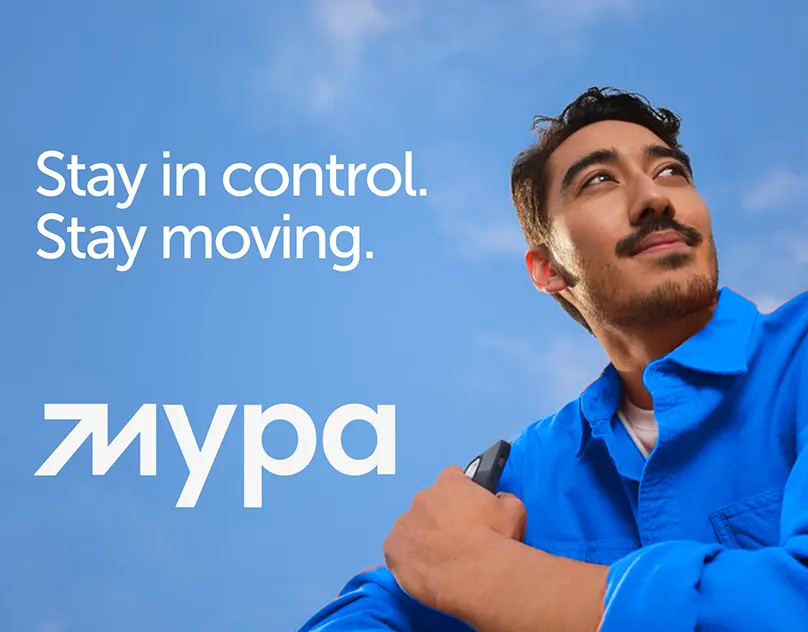
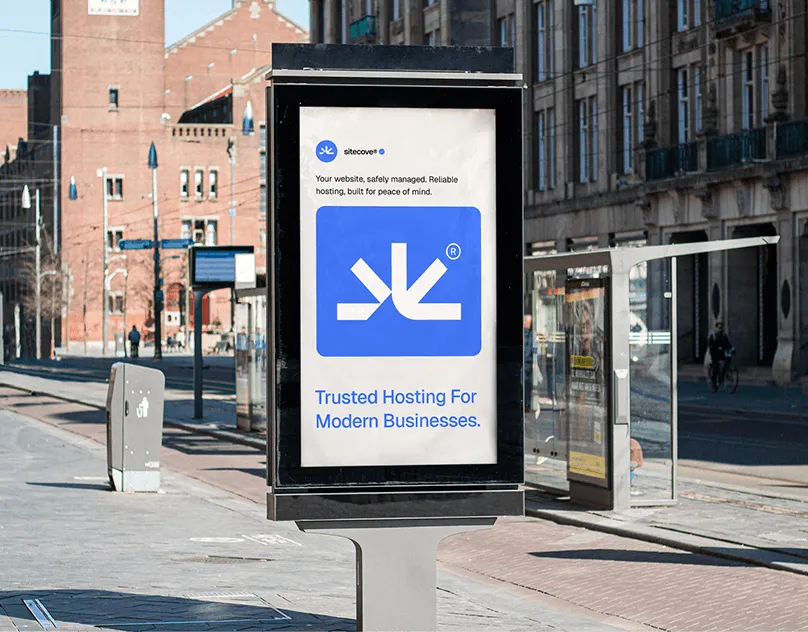
Logos drawn by hand: MYPA, SiteCove and Prime.
The takeaway
AI logo generators are a great sketchbook and a poor foundation. Use them to explore and to launch tests. When the logo starts carrying real money, real customers or a trademark, put a designer on it, either from scratch or by refining the draft you already have.
Want a logo you can own and protect?
I design logos and brand identities for startups and growing companies in the USA, UK, Australia, Norway and worldwide, with fixed prices and full rights. See logo design, AI logo refinement or recent brand identity work, then book a free 30 minute call.
Frequently asked questions
For a short term placeholder, a test or a side project, yes. For a business that will print, advertise or trademark its logo, usually not, because AI marks are often generic, hard to protect and come with limited files and no strategy behind them.
In the US, not if it was generated purely from prompts. The US Copyright Office confirmed in January 2025 that copyright requires human authorship. Human edits, arrangement and redrawing can be protected, so having a designer rework the mark helps.
Yes, if the mark is distinctive and not confusingly similar to an existing mark for related goods or services. The problem is that many AI logos are generic or close to existing marks, so they are refused more often. Run a search before you file.
AI logo tools cost $0 to $200, often with subscriptions on top. A freelance logo designer costs $300 to $2,000 or more, a senior designer $1,500 to $5,000 or more, and an agency $3,000 to $10,000 or more. Jakaria Mahmud's Launch plan is $799 one time for a logo and starter brand kit.
Yes. A designer can keep the direction you like, redraw the mark so it is original and technically clean, build vector files and a small system, and transfer the rights to you. Jakaria Mahmud offers this as an AI logo refinement service.
AI replaces the quick sketch, not the judgement. Positioning, distinctiveness, trademark checks and a working brand system still need a person. Designers who use AI well will deliver faster, and distinctive human made marks will be worth more as AI lookalikes multiply.